![L7 Labs [DEV]](https://dev.l7labs.de/l7sitedev/web/app/uploads/2020/10/L7_final_blue_short.png)

A combination of a specific probiotic strain and bacteriophages may improve inflammation in the gut and increase levels of beneficial Lactobacillus, compared to the probiotic alone, says a new study.
Image copyright: @Johgho Shin / Getty Images
A combination of a specific probiotic strain and bacteriophages may improve inflammation in the gut and increase levels of beneficial Lactobacillus, compared to the probiotic alone, says a new study.
Image copyright: @Johgho Shin / Getty Images
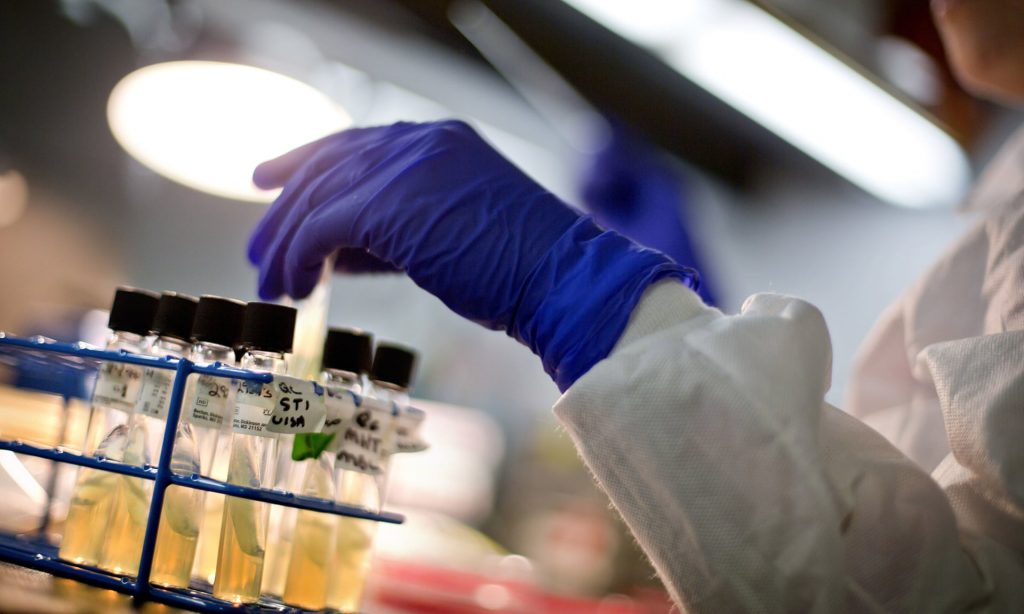
Antimicrobial resistance ‘biggest human health threat, bar none’, says Australian research director ahead of three-year study in Fiji.
The emergence of antimicrobial resistance (AMR), including drug-resistant bacteria, or “superbugs”, pose far greater risks to human health than Covid-19, threatening to put modern medicine “back into the dark ages”, an Australian scientist has warned, ahead of a three-year study into drug-resistant bacteria in Fiji.
“If you thought Covid was bad, you don’t want anti-microbial resistance,” Dr Paul De Barro, biosecurity research director at Australia’s national science agency, the CSIRO, told The Guardian.
“I don’t think I’m exaggerating to say it’s the biggest human health threat, bar none. Covid is not anywhere near the potential impact of AMR.”
“We would go back into the dark ages of health.”
While AMR is an emerging public health threat across the globe, in the Pacific, where the risk of the problem is acute, drug-resistant bacteria could stretch the region’s fragile health systems beyond breaking point.
An article in the BMJ Global Health journal reported there was little official health data – and low levels of public knowledge – around antimicrobial resistance in the Pacific, and that high rates of infectious disease and antibiotic prescription were driving up risks.
“A challenge for Pacific island countries and territories is trying to curtail antimicrobial excess, without jeopardising antimicrobial access for those who need them,” the paper argued.
Fiji, despite a population of less than a million people, has one of the highest rates of bacterial infections in the world. The country also has high levels of tuberculosis in animals and humans, and its hospitals perform, on average, two diabetic amputations every day, all of which drives the use of antibiotics.
Across the archipelago nation, many antibiotics are used across both human and animal populations, increasing the risk of resistant bacteria developing.
Last month, Fiji’s government announced that 10 people had died from leptospirosis, a bacterial infection that affects both animals and humans, while thousands more were infected.
Australia’s CSIRO has begun a three-year study in Fiji, alongside the government of Fiji’s national antimicrobial resistance committee and universities across Australia and the Pacific, to identify the emergence of superbugs in Fiij, analysing data from hospital pathology labs, farms contaminated with pharmaceuticals, and in the general environment, seeking to identify AMR hotspots and emerging trends.
The global public health ramifications of the widespread emergency of drug-resistant bacteria are immense.

CSIRO research director for Health and Biosecurity Paul De Barro
“If you consider how antibiotics now play a role in virtually every part of our health system: simple things like scratches could kill you, childbirth could kill you, cancer treatment, major surgeries, diabetes, in the background in all of these, is often the use of antibiotics,” De Barro said.
“That will all become very very challenging, if you are doing it in an environment where the antibiotics you use no longer work.
“You will end of with massive pressure on the health system – exactly the sort of things you are seeing with Covid – think about intensive care units, hospital stays, access to medical treatment outside of the hospital system, the use of antibiotics in nursing, in treating pneumonia, all of these come into play.”
Social distancing can’t help with AMR: bacteria exist in food, water, and air, they are all around on everyday surfaces.
Dr Donald Wilson, associate dean at the Fiji National University’s College of Medicine, said the issue could not be ignored any longer “or there will be more people getting sick and we don’t have the right medicines to treat them”.
Already, antibiotic resistance is estimated to cause at least 700,000 deaths globally a year – though this is likely a severe underestimate. That figure has been projected to reach 10 million deaths annually without intervention.
Exacerbating that trend, the increased use of antibiotics to combat the Covid-19 pandemic will strengthen bacterial resistance and ultimately lead to more deaths during the crisis and beyond, the World Health Organization (WHO) has warned.
Three hundred and fifty million deaths could be caused by AMR by 2050, the WHO has estimated, while the economic cost is predicted to reach US$1.35tr over the next 10 years in the western Pacific region alone.
The longer the issue remains unaddressed, the greater the cost in money and human lives, Wilson said.
“For instance, we’ve identified people who have a multi-drug-resistant form of tuberculosis and need newer, stronger medication for a longer period of time and those stronger antibiotics are more expensive.”
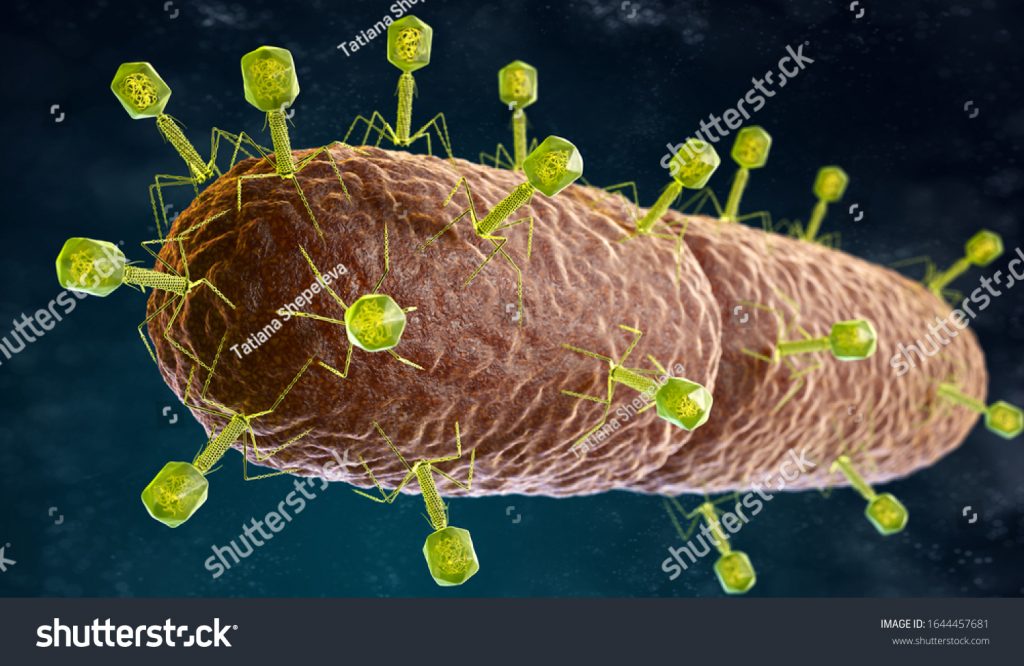
Antibiotics are medicines used to prevent and treat bacterial infections. Antibiotic resistance occurs when bacteria change in response to the use of these medicines.
Bacteria, not humans or animals, become antibiotic-resistant. These bacteria may infect humans and animals, and the infections they cause are harder to treat than those caused by non-resistant bacteria.
Antibiotic resistance leads to higher medical costs, prolonged hospital stays, and increased mortality.
The world urgently needs to change the way it prescribes and uses antibiotics. Even if new medicines are developed, without behaviour change, antibiotic resistance will remain a major threat. Behaviour changes must also include actions to reduce the spread of infections through vaccination, hand washing, practising safer sex, and good food hygiene.
Antibiotic resistance is rising to dangerously high levels in all parts of the world. New resistance mechanisms are emerging and spreading globally, threatening our ability to treat common infectious diseases. A growing list of infections – such as pneumonia, tuberculosis, blood poisoning, gonorrhoea, and foodborne diseases – are becoming harder, and sometimes impossible, to treat as antibiotics become less effective.
Where antibiotics can be bought for human or animal use without a prescription, the emergence and spread of resistance is made worse. Similarly, in countries without standard treatment guidelines, antibiotics are often over-prescribed by health workers and veterinarians and over-used by the public.
Without urgent action, we are heading for a post-antibiotic era, in which common infections and minor injuries can once again kill.
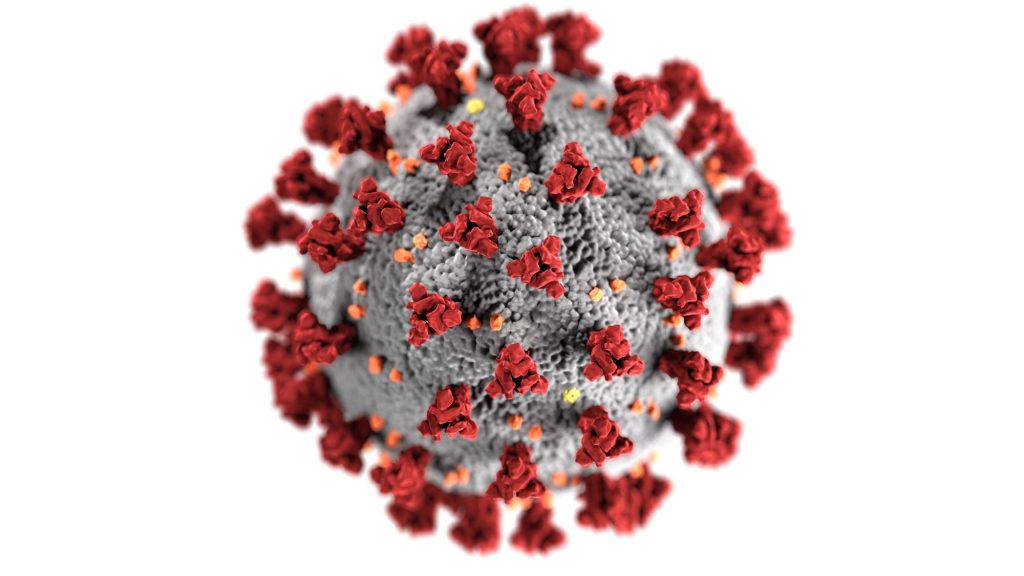
Background: Bacterial co-pathogens are commonly identified in viral respiratory infections and are important causes of morbidity and mortality. The prevalence of bacterial infection in patients infected with SARS-CoV-2 is not well understood.
Aims: To determine the prevalence of bacterial co-infection (at presentation) and secondary infection (after presentation) in patients with COVID-19.
Sources: We performed a systematic search of MEDLINE, OVID Epub and EMBASE databases for English language literature from 2019 to April 16, 2020. Studies were included if they (a) evaluated patients with confirmed COVID-19 and (b) reported the prevalence of acute bacterial infection.
Content: Data were extracted by a single reviewer and cross-checked by a second reviewer. The main outcome was the proportion of COVID-19 patients with an acute bacterial infection. Any bacteria detected from non-respiratory-tract or non-bloodstream sources were excluded. Of 1308 studies screened, 24 were eligible and included in the rapid review representing 3338 patients with COVID-19 evaluated for acute bacterial infection. In the meta-analysis, bacterial co-infection (estimated on presentation) was identified in 3.5% of patients (95%CI 0.4-6.7%) and secondary bacterial infection in 14.3% of patients (95%CI 9.6-18.9%). The overall proportion of COVID-19 patients with bacterial infection was 6.9% (95%CI 4.3-9.5%). Bacterial infection was more common in critically ill patients (8.1%, 95%CI 2.3-13.8%). The majority of patients with COVID-19 received antibiotics (71.9%, 95%CI 56.1 to 87.7%).
Implications: Bacterial co-infection is relatively infrequent in hospitalized patients with COVID-19. The majority of these patients may not require empirical antibacterial treatment.
Keywords: Bacterial infections; COVID-19; Co-infection; Living review; Secondary infection.
Crown Copyright © 2020. Published by Elsevier Ltd. All rights reserved.
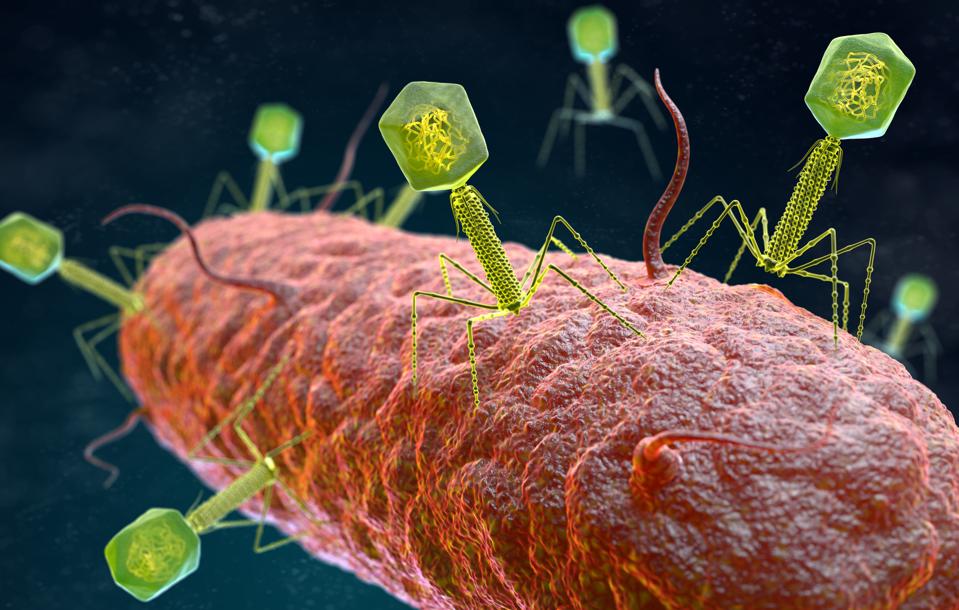
Systems biologist Marcin Wojewodzic, PhD, a researcher at the Cancer Registry of Norway, is calling for clinical trials to be carried out to test whether a bacteria eating virus could help treat patients with Covid-19.
Outlining his ideas in a scientific journal, Wojewodzic says he thinks these viruses — called bacteriophages, or ‘phages’ for short — could be used to help patients with Covid-19 in two main ways: by fighting bacterial infections and producing antibodies.
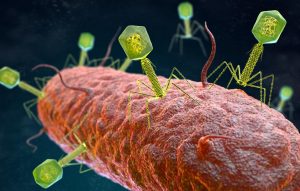
illustration of the bacteriophage virus that infects and replicates within a bacterium. 3D illustration – GETTY
These mini viruses, which are literally called ‘bacteria devourers’ if you know your Greek, will happily munch on bacteria as much as you will let them.
Phages have actually been used to treat people with bacterial infections in Russia and surrounding countries such as Georgia since the 1920’s, but their use was abandoned in the West largely due to the advent of antibiotic use.
But, you may ask, why is this relevant? Isn’t Covid-19 caused by a virus?
It is, but one of the leading causes of death from Covid-19 is from lung inflammation due to pneumonia. This can be caused by the virus, but various reports have suggested that secondary infections with a microbe other than the SARS-CoV-2 virus – such as bacteria or fungi – are present in up to 50% of patients admitted to hospital with Covid-19.
Indeed, Wojewodzic estimates that up to 70% of hospitalized patients with Covid-19 are given antibiotics to protect them against bacterial infection.
While we are in the middle of a viral pandemic, we are also in the midst of an antibiotic resistance crisis, which the pandemic is in danger of making much worse.
“The increased use of antibiotics due to the pandemic can have many invisible public health risks. The more they are used, the more risk some bacteria will develop resistance to them, rendering their use less and less effective,” says Wojewodzic.
Phage therapy could be an effective and specific way of killing any bacterial invaders in these patients. These viruses can be used to only knock out one strain of bacteria, something most antibiotics can’t do. This could help protect the ‘good’ microbes in a person’s gut that can actually help them to stay healthy.
It’s also possible they could be used in conjunction with antibiotics to make the drugs more effective — something that has been seen in tuberculosis patients treated with both phage and antibiotics.
There has been a lot of talk about whether the immune system of people infected with Covid-19 produces antibodies and if so whether these protect them against being re-infected. One option that is being explored by a number of researchers and companies is to produce antibody-based treatments to help patients with severe SARS-CoV-2 infection fight off the virus.
Wojewodzic believes a good method of producing these antibodies could be to use phage. By artificially modifying the phage genome, they could be used as mini production factories for making protective antibodies against the SARS-CoV-2 virus.
“If this strategy works, it will hopefully buy time to enable a patient to produce their own specific antibodies against the SARS-CoV-2 virus and thus reduce the damage caused by an excessive immunological reaction,” he explained.
This technique, known as ‘phage display’ by experts, has already been used extensively by researchers and various companies to make recombinant antibodies for use as medical treatments.
For example, a company called Cambridge Antibody Technology in the UK used this technique to develop Humira (adalimumab), a blockbuster drug (now owned by the big pharma company AbbVie) that is used to treat people with rheumatoid arthritis and other autoimmune conditions. The researchers who invented this technique won the Nobel prize for their work in 2018.
The pandemic of the coronavirus disease (Covid-19) has caused the death of at least 270,000 people as of the 8th of May 2020. This work stresses the potential role of bacteriophages to decrease the mortality rate of patients infected by the severe acute respiratory syndrome coronavirus 2 (SARS-CoV-2) virus. The indirect cause of mortality in Covid-19 is miscommunication between the innate and adaptive immune systems, resulting in a failure to produce effective antibodies against the virus on time. Although further research is urgently needed, secondary bacterial infections in the respiratory system could potentially contribute to the high mortality rate observed among the elderly due to Covid-19. If bacterial growth, together with delayed production of antibodies, is a significant contributing factor to Covid-19’s mortality rate, then the additional time needed for the human body’s adaptive immune system to produce specific antibodies could be gained by reducing the bacterial growth rate in the respiratory system of a patient. Independently of that, the administration of synthetic antibodies against SARS-CoV-2 viruses could potentially decrease the viral load. The decrease of bacterial growth and the covalent binding of synthetic antibodies to viruses should further diminish the production of inflammatory fluids in the lungs of patients (the indirect cause of death). Although the first goal could potentially be achieved by antibiotics, I argue that other methods may be more effective or could be used together with antibiotics to decrease the growth rate of bacteria, and that respective clinical trials should be launched.
Both goals can be achieved by bacteriophages. The bacterial growth rate could potentially be reduced by the aerosol application of natural bacteriophages that prey on the main species of bacteria known to cause respiratory failure and should be harmless to a patient. Independently of that, synthetically changed bacteriophages could be used to quickly manufacture specific antibodies against SARS-CoV-2. This can be done via a Nobel Prize awarded technique called “phage display.” If it works, the patient is given extra time to produce their own specific antibodies against the SARS-CoV-2 virus and stop the damage caused by an excessive immunological reaction.
When antibiotics were first used in the 1940s they were a revolution in medicine. Before that, diseases like pneumonia and tuberculosis were often a death sentence, and even an infected scratch could be fatal. Since then, antibiotics have saved hundreds of millions of lives. But now many of these drugs are becoming ineffective. Read More
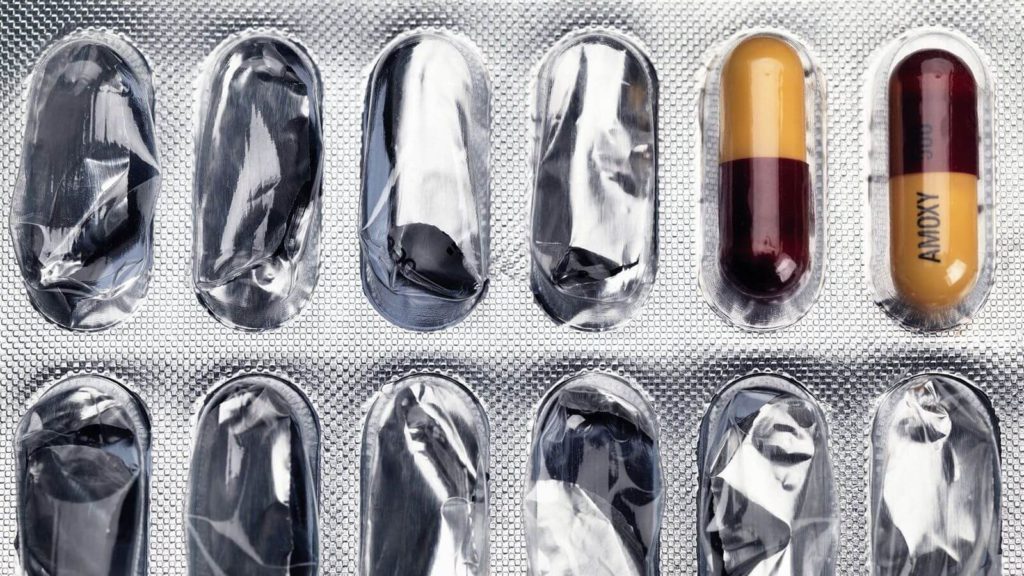
“The world is heading towards a post-antibiotic era in which common infections will once again kill. If current trends continue, sophisticated interventions, like organ transplantation, joint replacements, cancer chemotherapy, and care of pre-term infants, will become more difficult or even too dangerous to undertake. This may even bring the end of modern medicine as we know it.”
Read More